Easter Island, Chile
Nearly a thousand carved moai statues on one of the most isolated inhabited islands on Earth, reached via a five-hour flight from mainland Chile alone.
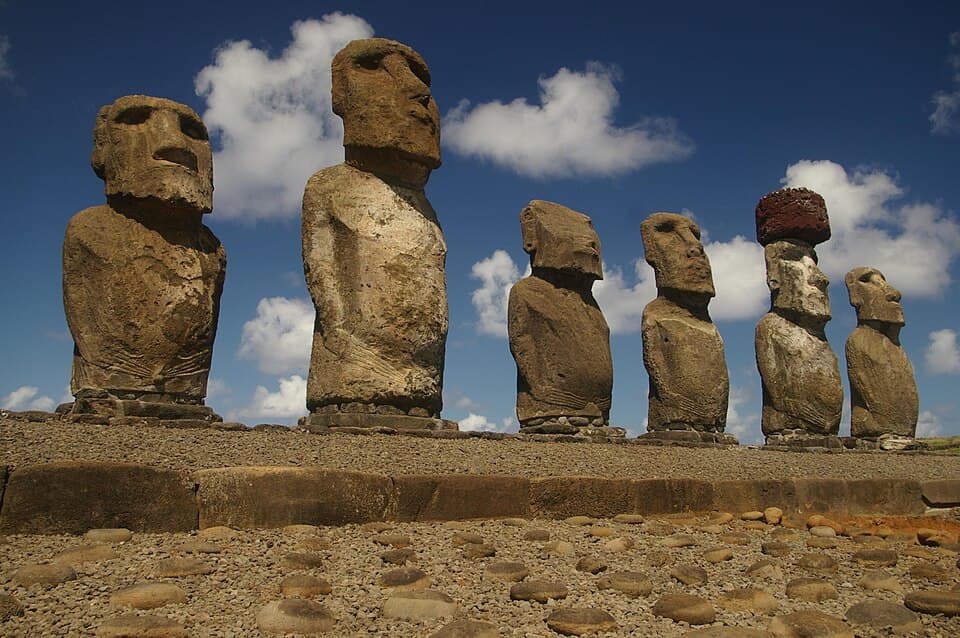
Photo: Rivi, Wikimedia Commons, CC BY-SA 3.0
Easter Island holds nearly 900 carved moai statues, and Ahu Tongariki's row of fifteen restored figures facing inland is the single most photographed site on the island. The island's isolation is genuinely extreme: the nearest inhabited land sits more than 1,200 miles away, making it one of the most remote inhabited places on Earth.
Getting there takes real commitment even after reaching South America: a nonstop flight to Santiago is followed by a full five-hour domestic flight west into the Pacific. Hotel capacity on the island is limited, so we book accommodations well ahead of flights rather than the usual order.
October through April brings warmer, drier weather for exploring the island's archaeological sites. Despite both being in Chile, Easter Island and our Torres del Paine guide sit at opposite ends of the country and aren't realistically combined into a single trip.
Easter Island, over 2,000 miles from mainland Chile, is one of the most geographically isolated inhabited places on Earth, and its nearly 900 moai statues remain a genuine archaeological puzzle — how the Rapa Nui people transported and erected them is still debated by researchers. The island is small enough to circle by rental car or bike in a day or two, with most moai sites clustered along the coastline.
Three nights covers the main moai sites at an unhurried pace. It suits travelers willing to commit real flight time and cost to reach one of the most remote inhabited places on Earth, and the island's isolation means supplies and options are more limited than mainland Chile.
Getting there: About 9-10h nonstop to Santiago, then a 5h domestic flight to Easter Island. Routing options on an itinerary like this vary more than a single search result usually shows, so we compare them directly — and weigh that against October to April (warmer, drier) for timing the trip.
Easter Island, known to its Polynesian inhabitants as Rapa Nui, was settled by Polynesian voyagers navigating open ocean by stars and currents alone sometime between roughly 800 and 1200 AD, reaching what's considered one of the most geographically isolated inhabited places on Earth, over 2,000 miles from the nearest populated landmass. The moai, the island's iconic stone statues — nearly 900 of them, most carved from volcanic tuff at the Rano Raraku quarry — were created to honor deceased ancestors and chiefs and are believed to have been moved from the quarry to ceremonial platforms (ahu) around the island using a combination of ropes, wooden sledges and, according to a leading theory supported by islanders' own oral tradition, a rocking 'walking' technique rather than rollers. The civilization that built them experienced a serious population and ecological collapse in the centuries before European contact in 1722, driven by deforestation, and many moai were deliberately toppled during a period of internal conflict between rival clans — most of the upright statues visitors see today were re-erected during 20th-century archaeological restoration, not found standing. Rapa Nui remains a Chilean territory today, but Rapa Nui people maintain a distinct Polynesian language and culture, and the annual Tapati festival celebrates that heritage through traditional competitions, including a genuinely dangerous banana-trunk sled race down a volcanic slope.
Plan Easter Island, Chile with an expert
Every family's trip is different. Share your dates and party size, and a Voldeluxe expert builds a fare and itinerary made for you, not a generic listing.