USA to India Flights: Nonstop Routes, Baggage Rules & Visa Guide
Current nonstop routes from the USA to India, India's 2026 baggage rule changes, the mandatory Air Suvidha health declaration, and e-Visa fees and requirements for US travelers.
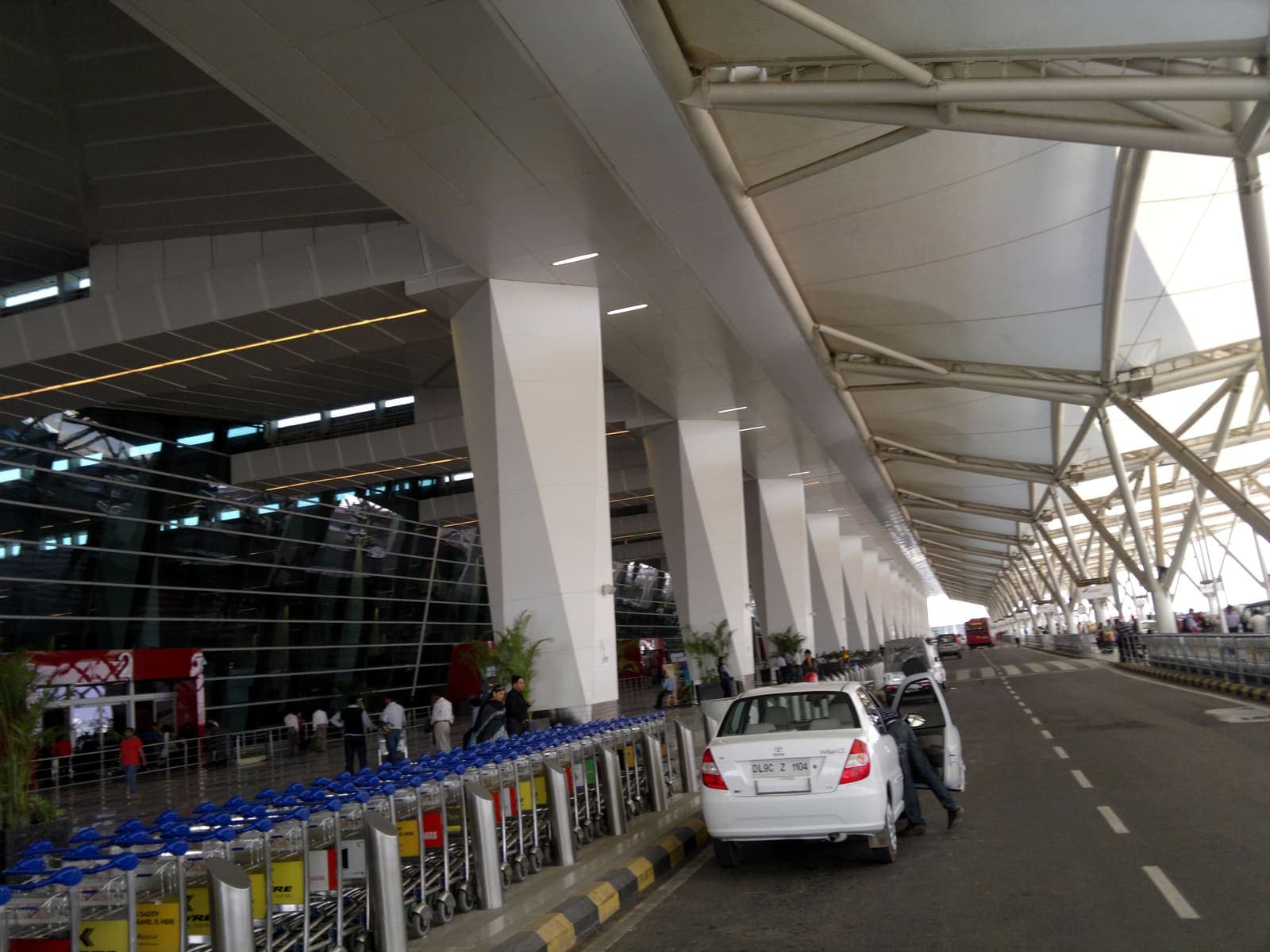
Photo: Ramesh NG, Wikimedia Commons, CC BY-SA 2.0
USA to India Flights: Nonstop Routes, Baggage Rules & Visa Guide
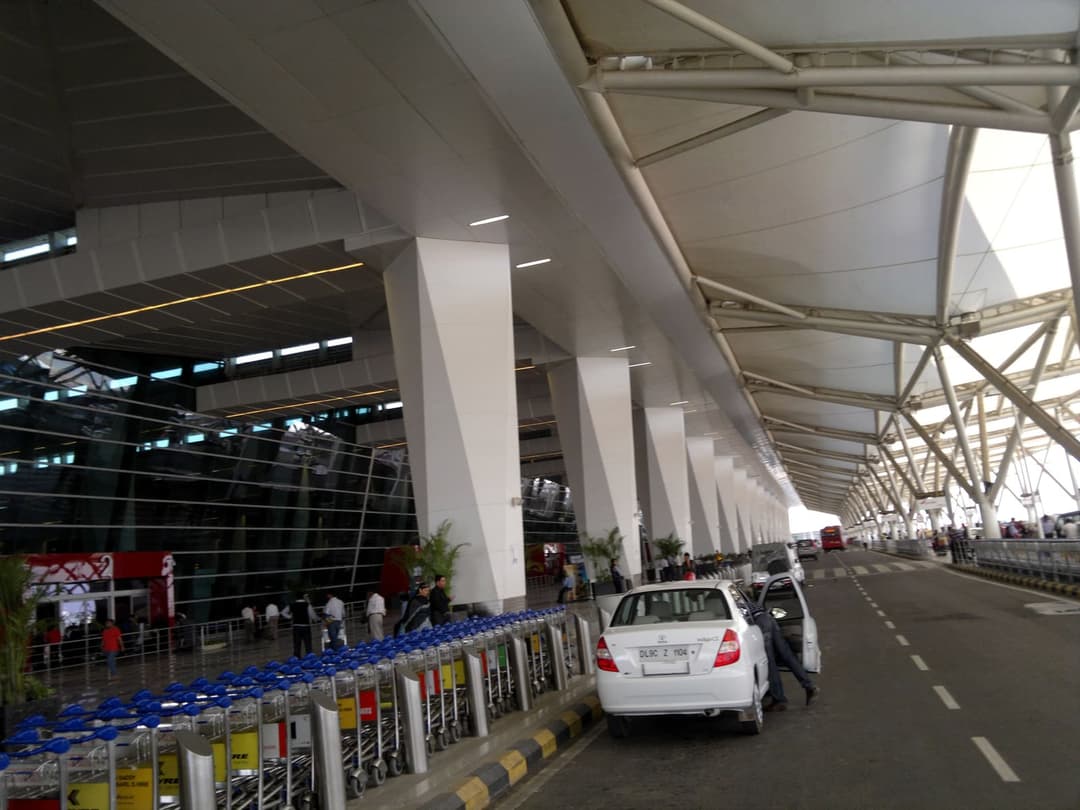 Terminal 3, Indira Gandhi International Airport, New Delhi. Photo: Ramesh NG, Wikimedia Commons (CC BY-SA 2.0).
Key Takeaways
- India's Baggage Rules 2026, effective February 2, 2026, raised the general duty-free allowance to ₹75,000 for residents, NRIs, and OCI cardholders (up from ₹50,000) and ₹25,000 for foreign tourists (up from ₹15,000) (PIB, Government of India).
- A mandatory Air Suvidha 2.0 health self-declaration applies to all international arrivals to India as of mid-2026, filed online within 24 hours of departure (U.S. Embassy New Delhi).
- India's e-Tourist Visa for US citizens costs $10–$25 for 30 days depending on season, $40 for one year, or $80 for five years, plus a $3 community welfare fund charge (Embassy of India, Washington DC).
- Nonstop USA-India routes have shifted significantly in 2026 — some routes have been added, others suspended — so confirm current nonstop status directly before booking rather than relying on a static list.
- The Indian-American population reached 5.56 million in 2024, up from about 4.8 million in 2022, one of the fastest-growing drivers of USA-India travel demand (US Census Bureau; Pew Research Center).
Flying from the USA to India in 2026 means navigating more moving parts than the route itself: a new baggage rule took effect in February, a health declaration became mandatory again in June, and nonstop route availability has shifted more than once this year. This guide covers what's actually current — baggage allowances, the visa process, health declaration requirements, and how to think about nonstop routing given how much has changed.
What Changed Under India's Baggage Rules 2026
India's Baggage Rules 2026 took effect at midnight on February 2, 2026, replacing the 2016 rules, and raised the general free allowance meaningfully: ₹75,000 for Indian residents, NRIs, and OCI cardholders, up from ₹50,000, and ₹25,000 for foreign tourists, up from ₹15,000 (Press Information Bureau, Government of India).
The new rules also set specific limits for commonly carried items: duty-free jewelry allowance is 40 grams for women and 20 grams for men, one laptop travels duty-free for passengers 18 and older, and the alcohol allowance is up to 2 litres. Passengers arriving by land have no general duty-free allowance at all, and the allowance applies per individual — it cannot be pooled across family members traveling together (PIB, Government of India, Feb 2026).
Air Suvidha 2.0: The Health Declaration You Now Need
Since roughly June 25, 2026, all international arrivals to India — regardless of nationality — must file an Air Suvidha 2.0 health self-declaration online within 24 hours of departure, through the official government portal at airsuvidha.civilaviation.gov.in (Ministry of Civil Aviation, via PIB; confirmed independently by the U.S. Embassy New Delhi). The requirement followed the World Health Organization's May 17, 2026 declaration of the Bundibugyo strain of Ebola as a Public Health Emergency of International Concern.
This is a health declaration, not a visa or entry permit — it doesn't replace the e-Visa process, and it applies on top of it. Build it into your pre-departure checklist alongside passport and visa documents, since it has to be filed within a specific window before departure rather than at any convenient time.
e-Visa Requirements and Fees for US Travelers
US citizens traveling to India for tourism can apply for an e-Tourist Visa, and current fees are seasonal: $25 for a 30-day visa if arriving July through March, or $10 if arriving April through June, plus a flat $3 Indian Community Welfare Fund charge on top of any tier. A one-year e-Tourist Visa costs $40, and a five-year version costs $80 (Embassy of India, Washington DC).
Your passport needs at least 6 months of validity from your arrival date and at least two blank pages, and you can apply anywhere from 4 to 120 days before travel (Embassy of India, Washington DC).
Nonstop Routes: Why "Current" Matters More Than Usual
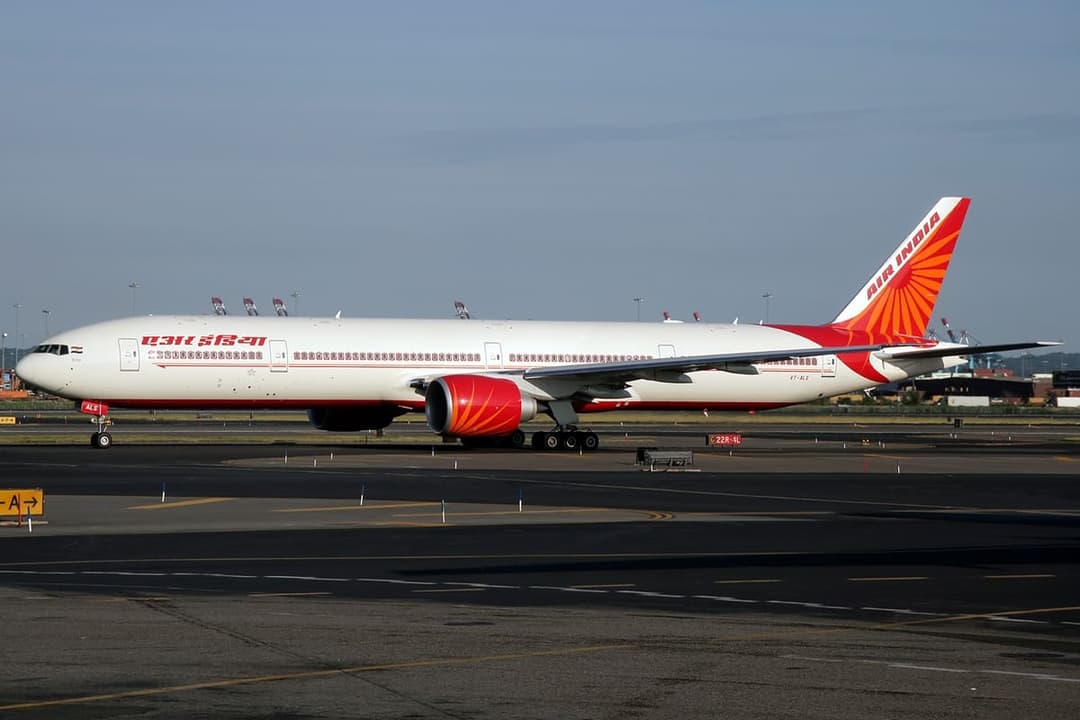 Air India Boeing 777-337ER. Photo: André Wadman, Wikimedia Commons (GFDL 1.2).
Air India carries roughly 75% of nonstop seats between India and North America, with Air India, United, and Air Canada together accounting for about 94% of nonstop capacity on the corridor (Cirium data, via Aviation A2Z). But which specific city pairs are nonstop has moved more than usual in 2026: some West Coast routes have lost nonstop status over range and overflight constraints, at least one East Coast route has been suspended over aircraft availability, and new capacity has been added elsewhere.
That volatility is exactly why we'd rather point you to a live check than a static list: nonstop availability between specific US gateway cities (New York, Newark, Chicago, San Francisco, Washington) and Indian cities (Delhi, Mumbai, Bengaluru) changes with each airline's seasonal schedule. See Voldeluxe's live fare index for current USA-India routing, or read our complete guide to booking international flights from the USA for how to compare direct and consolidator fares once you know which routes are live.
Checked Baggage: What to Confirm Before You Pack
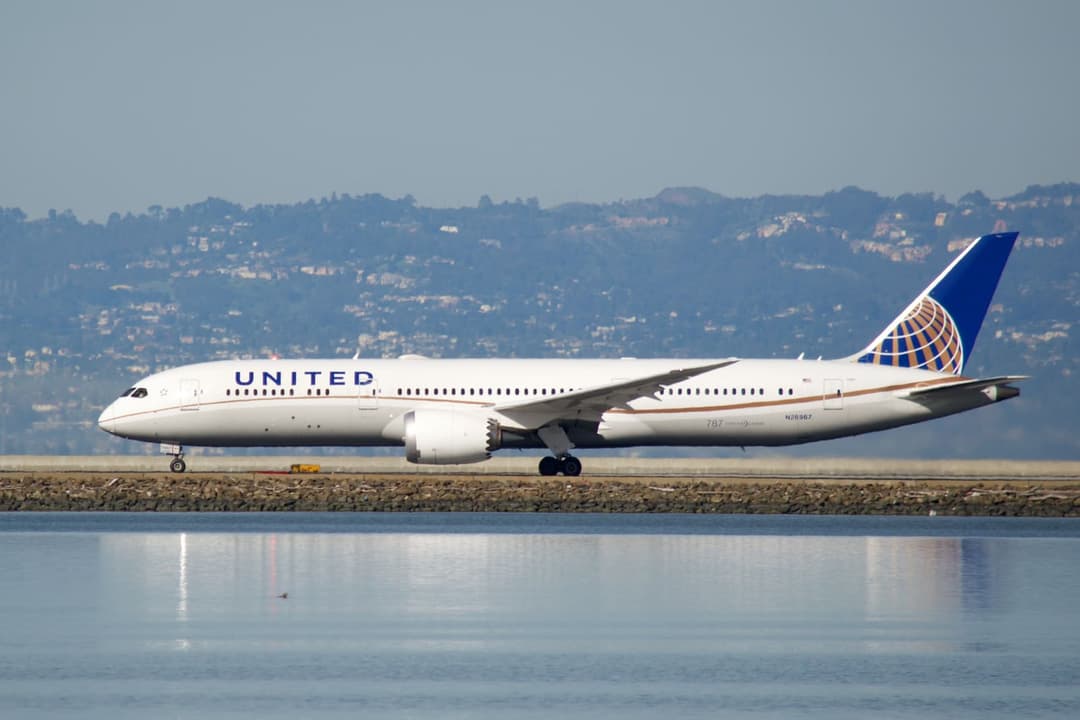 United Airlines Boeing 787-9 Dreamliner. Photo: Bill Abbott, Wikimedia Commons (CC BY-SA 2.0).
Checked baggage allowances on USA-India routes vary by fare class and carrier, and they're updated periodically enough that we'd rather send you to confirm the current figure than publish a number that's gone stale by the time you fly. As a general pattern: full-service economy fares typically include more checked baggage than the lowest "basic" or "value" fare tier, and business class allowances run higher still. Confirm your specific fare's allowance directly with the airline or your booking agent before you pack, since baggage policy is one of the more frequently updated parts of any fare — see our cabin class comparison for this route for exactly what each seat and baggage tier includes, aircraft by aircraft.
Who's Flying This Route, and Why It Keeps Growing
Demand on the USA-India corridor is driven substantially by one of the fastest-growing immigrant communities in the country: 5,559,778 people identified as Asian Indian (alone or in combination) in the 2024 American Community Survey, up from roughly 4.8 million in 2022 (US Census Bureau; Pew Research Center). That growth is a large part of why airlines keep adding and adjusting USA-India capacity even as individual routes shift — and why group, family, and multi-generational bookings on this corridor benefit from a desk that specializes in it. See our group travel desk for how deposit-held fares work for larger family bookings, and our flying internationally with family guide for long-haul-specific tips that apply directly to this route.
Frequently Asked Questions
How much does an India e-Visa cost for US citizens?
A 30-day e-Tourist Visa costs $25 if you arrive July through March, or $10 if you arrive April through June, plus a flat $3 community welfare fund charge. One-year and five-year versions cost $40 and $80 respectively (Embassy of India, Washington DC).
What is Air Suvidha 2.0 and do I need to file it?
It's a mandatory online health self-declaration for all international arrivals to India, introduced in 2026 following a WHO-declared Ebola outbreak emergency. File it within 24 hours of departure at the official government portal — it's separate from your visa (U.S. Embassy New Delhi).
How much duty-free allowance do I get bringing gifts or gold to India?
Under the 2026 rules, the general duty-free allowance is ₹75,000 for residents, NRIs, and OCI cardholders, or ₹25,000 for foreign tourists. Jewelry allowance is 40 grams for women and 20 grams for men, and one laptop travels duty-free per passenger 18 or older (PIB, Government of India).
Are there still nonstop flights from the USA to India?
Yes, though which specific city pairs are nonstop has changed more than usual in 2026. Air India, United, and Air Canada together carry the large majority of nonstop capacity on this corridor. Check current routes directly before booking rather than relying on a fixed list, since schedules have shifted multiple times this year.
Is Air Suvidha the same as an Indian visa?
No. Air Suvidha 2.0 is a health self-declaration required on top of your visa, not a substitute for one. You need both a valid e-Visa (or other appropriate visa) and a completed Air Suvidha declaration to travel.
How can I find cheap flights to India from the USA?
The two levers that matter most are timing and how you book: fares on the USA-Asia corridor are typically lowest around four months before departure, and a licensed agency can compare published airline fares against unpublished consolidator rates that a public search engine won't surface. See our best-time-to-book guide for the regional booking-window data, and our direct-vs-consolidator fare breakdown for how that comparison works.
What about flights from India back to the USA?
The same airlines, aircraft, and baggage rules generally apply in both directions on a round-trip booking — Air India, United, and American all operate their India-USA equity round-trip on the same aircraft type each way. The main difference to plan around is flight duration: the westbound (India-to-USA) leg typically runs longer than the eastbound leg on the same route because of jet stream headwinds, so build extra buffer into a same-day connection on the return.
Continue Learning
- Which airlines fly from the USA to India: complete comparison
- Economy vs. Premium Economy vs. Business Class on USA-India flights
- JFK to Delhi: flying America's busiest route to India
- How to book international flights from the USA in 2026
- Best time to book international flights from the USA
- Flying internationally with family from the USA
- Char Dham Yatra from the USA
- Live fare index: USA to the world
- Talk to a travel expert
About the author: Srikanth Borra is a Senior International Travel Consultant at Voldeluxe with nine years of experience booking long-haul itineraries across 600+ airline partners, with particular focus on the USA-India corridor.
Published September 13, 2026. India's baggage rules, health-declaration requirements, and nonstop route availability change frequently — confirm current requirements directly with the relevant government portal or airline before booking.
Ready to price your trip?
Tell an expert your dates and party size. We compare consolidator and published fares across 600 airlines and confirm same day.
Search flights and stays